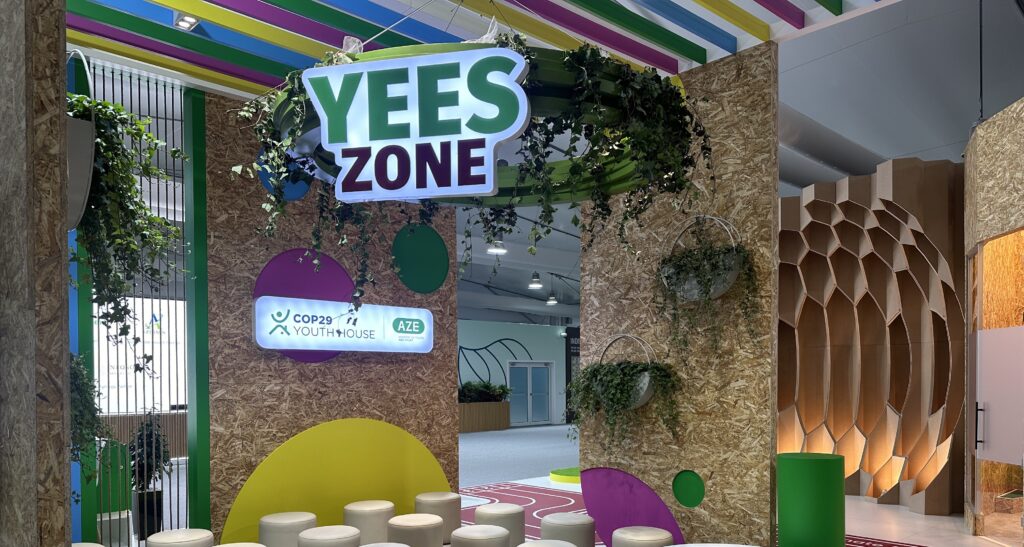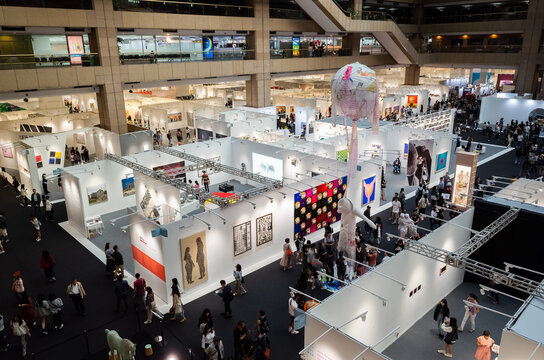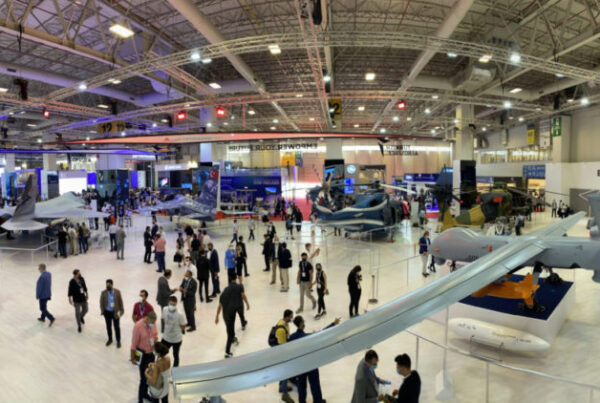
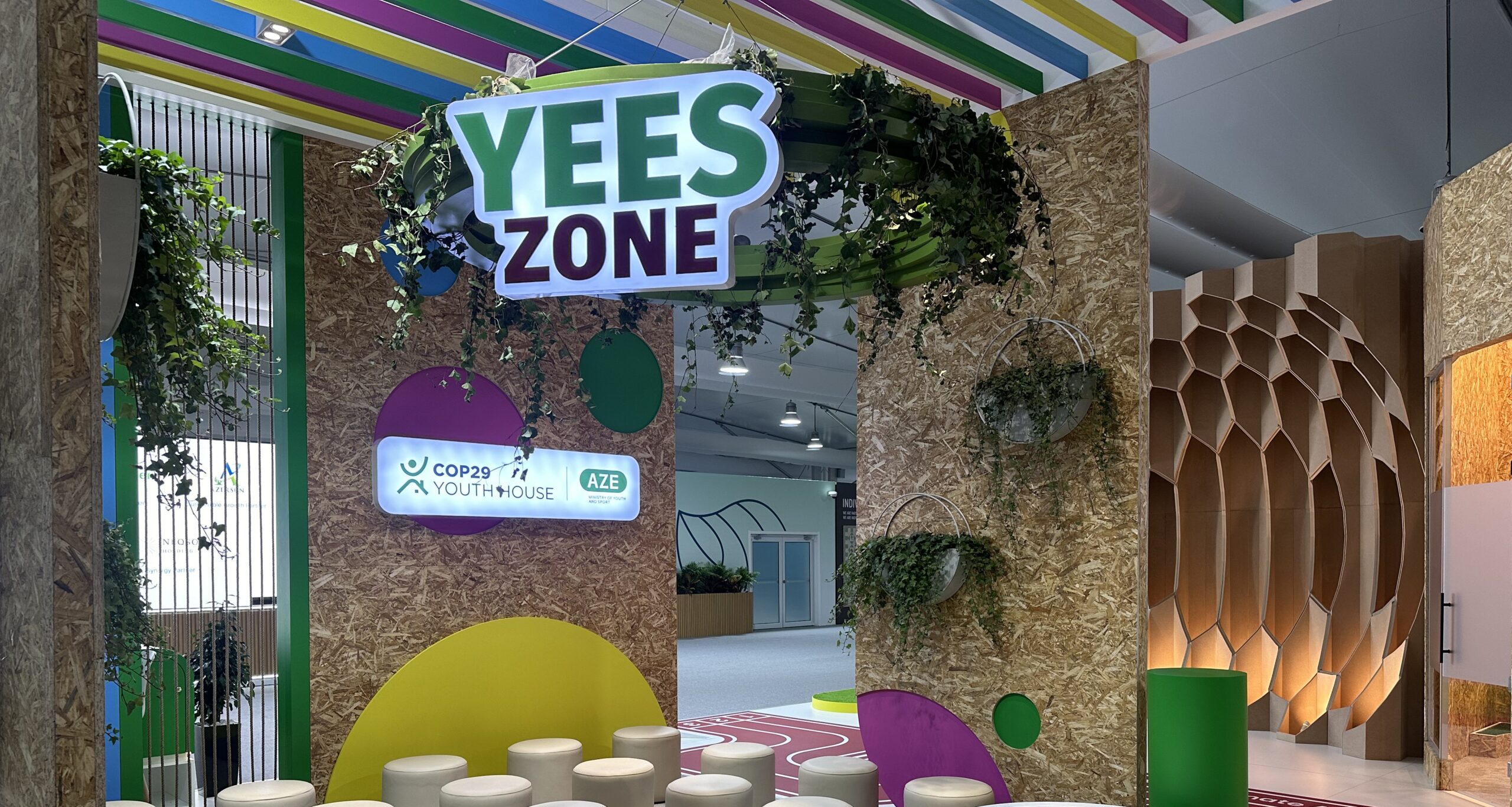
We integrate sustainable and environmentally responsible design practices at every stage of our work — from concept development and production to installation, dismantling, and long-term reuse. Our goal is to reduce material waste across the full life cycle of our exhibition stands, pavilions, and spatial installations, supporting a low-impact and circular design approach.
Whenever possible, we prioritize locally sourced materials, FSC-certified wood, and responsibly produced components to reduce transportation emissions and support regional supply chains. During fabrication and installation, we plan production layouts carefully to minimize off-cuts and surplus materials, and we separate build-up and breakdown waste to ensure recyclable materials are processed correctly.
Our modular exhibition stand systems are designed for longevity, reconfiguration, and refurbishment. Components can be repaired, replaced, and reused across multiple events, extending the lifespan of each structure and reducing the need for new production. After dismantling, usable materials are stored, catalogued, and repurposed into functional elements such as shelving, storage units, and modular furniture for future projects.
We also provide stand storage and reuse solutions so clients can use the same exhibition design across multiple shows. This reduces material consumption, production costs, and environmental impact while maintaining design consistency.
On-site, our team follows practical low-waste installation practices, including waste separation, refillable water bottles, and efficient logistics planning to reduce transport, packaging, and excess materials.
Through circular design, material reuse, and sustainable production methods, we aim to significantly reduce landfill waste while delivering durable, reusable, and environmentally responsible exhibition environments. Our sustainability strategy is practical, transparent, and continuously improving with each project.